
Have you ever wondered what’s going through your feline friend’s mind when they flick their tail, chirp at birds, or suddenly sprint down the hallway at midnight? Cats have some funny ways of expressing themselves, so deciphering their signals can feel like trying to translate ancient hieroglyphics. At Animal Hospital of Mt. Pocono, your Mt. Pocono, PA pet clinic, we’re here to help you understand cat behavior signs.
In this blog, we’ll explore common signals, offer ways to promote calming feline behavior, and provide advice on what to do if you notice cues related to stress or uncertainty.
How Cats Communicate Through Body Language
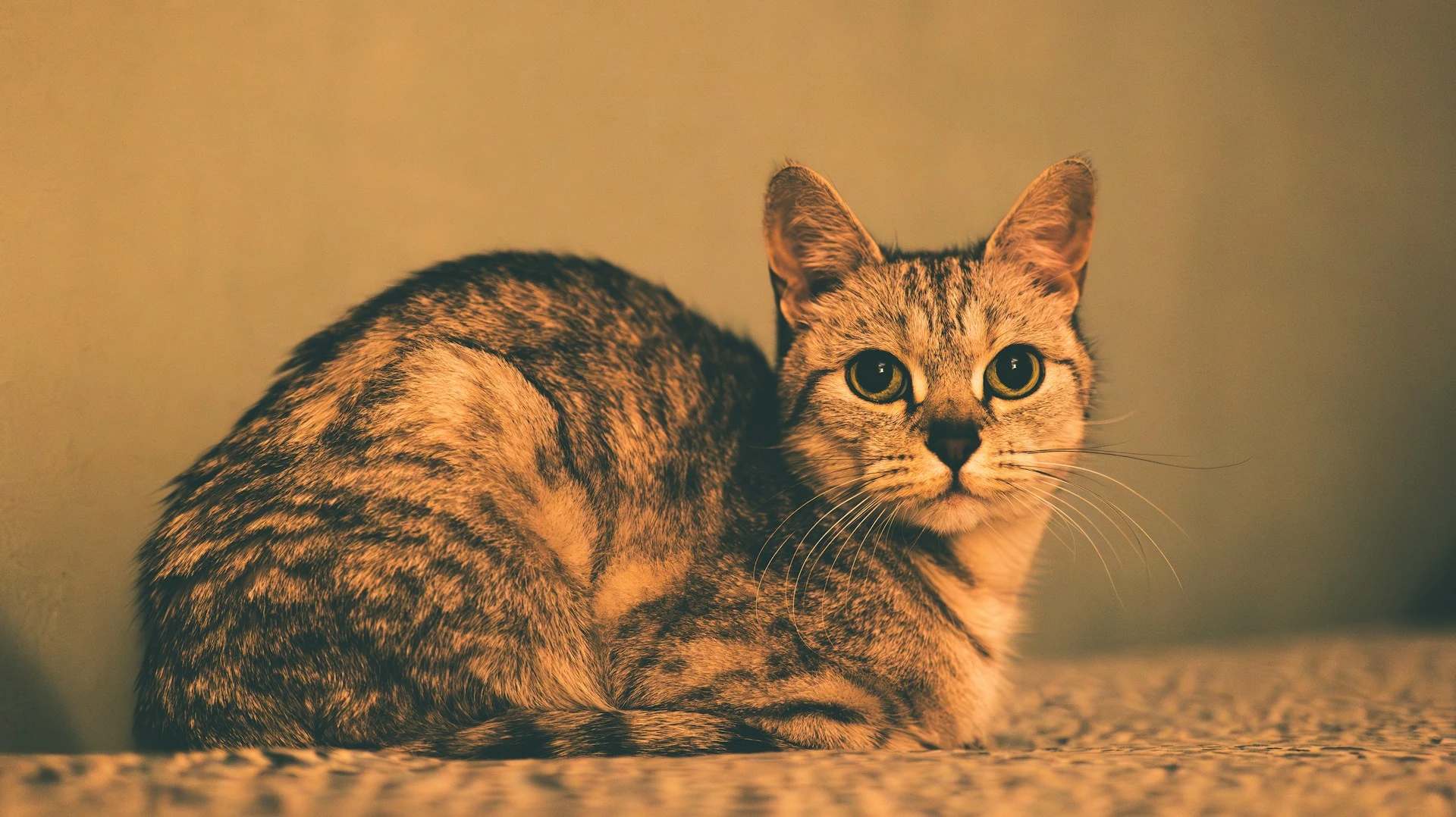
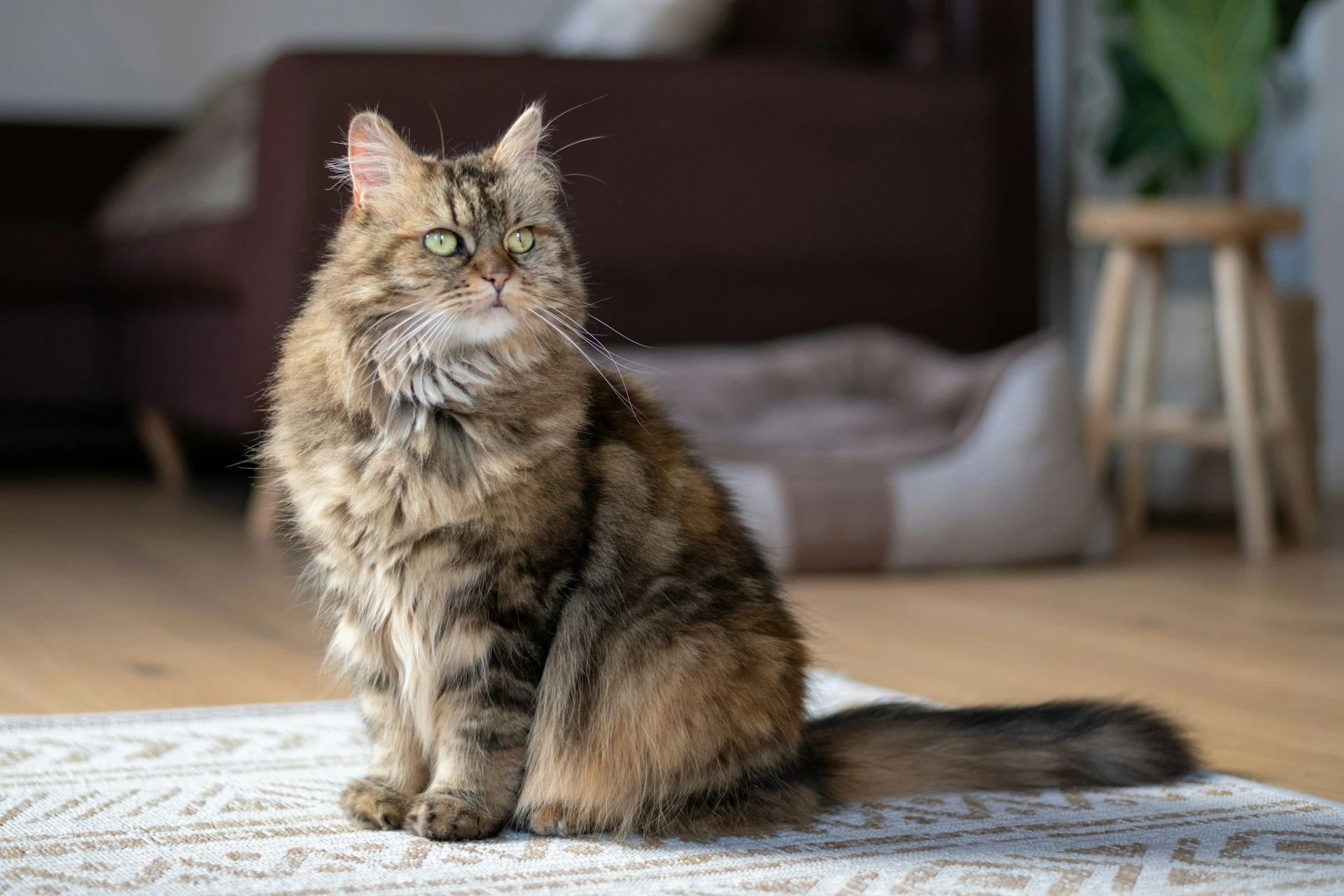
Cats are masters of subtle communication. While dogs often express emotions openly, your feline companion prefers small gestures that reveal big feelings. Tail positions, ear angles, vocal tones, and even whisker placement give clues about your kitty’s emotional state.
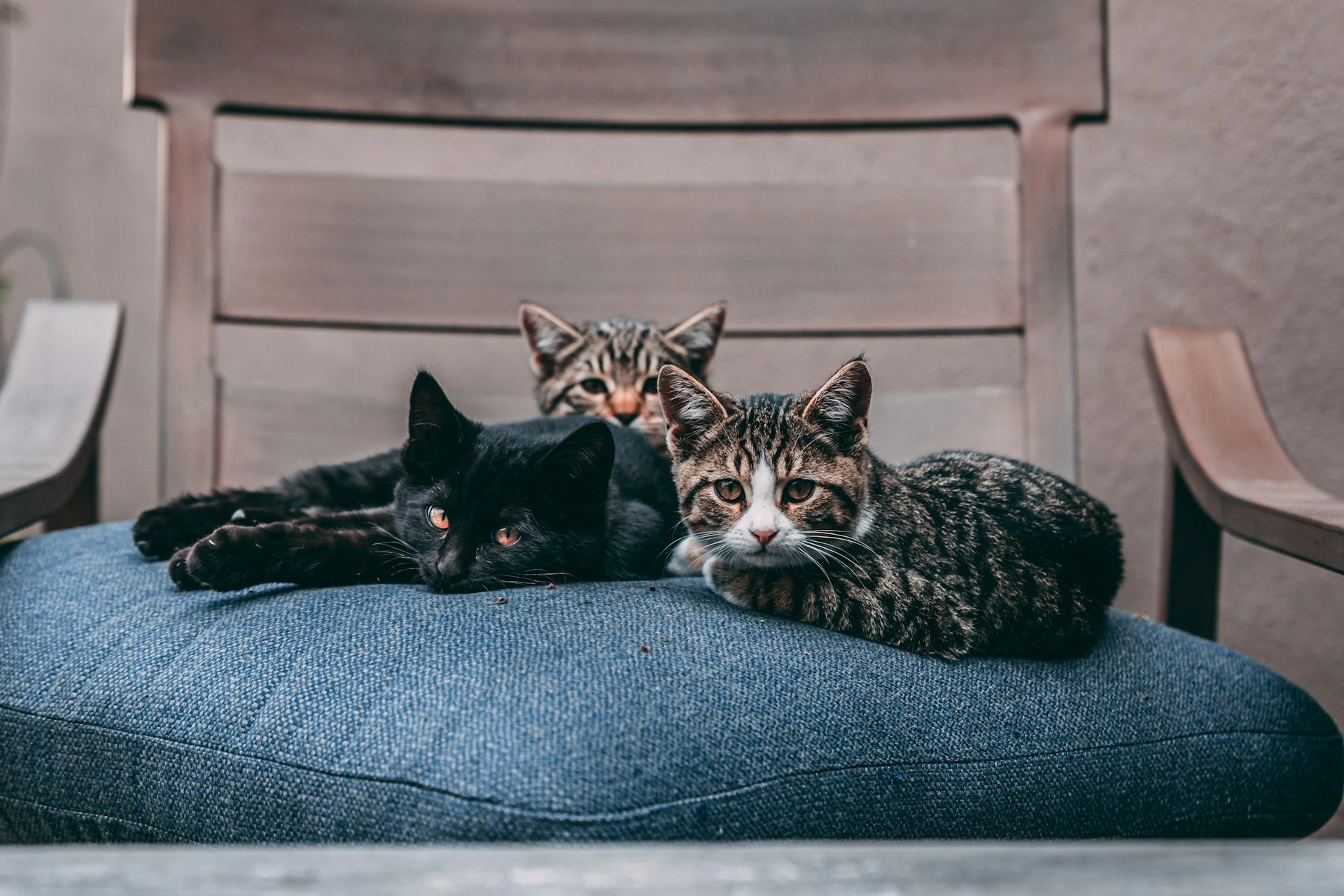
When your feline pal feels relaxed, you’ll typically notice soft eyes, an upright but loosely curled tail, and slow blinking. Playfulness often comes with prancing steps, zoomies, pounces, quick tail flicks, and cheerful meows. On the other hand, if Fluffy is uneasy, their body might stiffen, their ears may tilt back, or their tail may swish sharply.
Your veterinarian at Animal Hospital of Mt. Pocono can help you learn to recognize the difference between normal energetic behavior and subtle signs of stress, especially if your feline friend tends to hide their feelings.
Why Cats Act Out at Home
When people say a cat is acting out, there’s usually a deeper meaning behind the behavior. Scratching, sudden vocalizing, or hiding can all reflect emotional or environmental needs. Cats rely on routine, safety, and predictability, so even small changes can impact their behavior.
If your feline companion scratches furniture, for example, they may be marking territory or releasing tension, not acting out of spite. If Fluffy suddenly becomes vocal at night, she may feel restless or is possibly stimulated by nighttime sounds, such as the frog chorus happening outside your window. And a normally social kitty who hides may simply be overwhelmed.
Understanding why cats act out can help you respond effectively. Many of these behaviors are normal ways cats communicate their needs, even if the actions seem unusual or inconvenient.
Helping Your Feline Companion Feel Calm and Secure
Kitties thrive in environments that offer a balance of stimulation and security. Offering vertical climbing spaces, cozy hiding nooks, and consistent routines helps promote calm feline behavior. Cats rely on their sense of safety, so providing predictable feeding times and quiet rest areas offers reassurance.
You can also create calming rituals for your feline friend. Gentle petting sessions, interactive play, and talking to your kitty in a friendly voice will all tell Fluffy they’re safe in your company. Cats may not always seek affection on your schedule, but they enjoy reassurance on their own terms.
Environmental factors play a major role as well. Loud noises, unfamiliar visitors, or changes within your home can momentarily disrupt your kitty’s comfort. Gradual introductions, quiet escape spaces, and soft routines help steady their nerves.
How Play Helps Reduce Unwanted Behaviors
Interactive play is one of the most powerful tools for encouraging healthy, confident behavior. Regular play satisfies your feline pal’s natural hunting instincts and helps regulate mood. When you offer wand toys, soft toss toys, or food-based puzzles, you provide your kitty with both physical movement and mental engagement.
Cats who receive active play sessions often show fewer nighttime zoomies, less unwanted scratching, and more relaxed postures throughout the day. Many behaviors that pet parents label as “misbehavior” relate directly to excess energy or under-stimulation.
We usually would recommend short, frequent play sessions, especially for indoor cats, to help support balanced mood and confident behavior.
Supporting Stress Reduction for Cats in Mt. Pocono, PA
Life in Mt. Pocono, PA brings seasonal shifts, weather patterns, and environmental elements that your feline companion may respond to. Sudden temperature changes, wildlife outside the window, thunderstorms, and holiday visitors can all stir up feelings for sensitive kitties.
To help reduce stress during these times, try predictable routines, warm resting spots, and opportunities for quiet observation. Many cats enjoy perching near windows where they can safely watch outside activity without feeling overwhelmed.
If your feline friend becomes stressed easily, especially during holiday seasons or weather changes, our veterinary team can help you identify triggers and create individualized strategies to support your kitty’s confidence.
Recognizing When Your Cat Needs Veterinary Support
Cats are skilled at hiding discomfort or stress, so knowing cat behavior signs can help you decide when to seek support. Behavioral changes may indicate emotional stress, physical discomfort, or an underlying health concern. Your Mt. Pocono, PA veterinarians are here to help determine what your feline companion is experiencing and how best to support them.
If Fluffy begins hiding more than usual, avoiding social interaction, urinating outside the litter box, or showing sudden aggression, schedule a vet appointment. Early detection of and attention to issues can make a huge difference.
Fun Cat Behavior Facts
Cats communicate with you more than they do with other cats. Domestic felines evolved to “talk” to people through meows, trills, and chirps. Slow blinking is considered a kitty “I love you.” Kneading is a leftover kitten instinct for comfort. And did you know cats recognize your voice even if they don’t always acknowledge it? Those selective reactions are part of what makes them such charming housemates.
PetMD has an article on feline anxiety here. Austin’s Pets Alive has a helpful article on helping a scaredy cat settle in on their website here.
FAQ
Why is my cat suddenly acting out?
Behavior changes often reflect stress, routine changes, or unspent energy. Looking at your feline pal’s environmental stressors can help reveal the cause.
How can I calm my anxious cat?
Offer hiding spaces, gentle play, predictable routines, and quiet reassurance. These build confidence and support calmer behaviors.
Should I worry about excessive vocalizing?
Some cats are naturally chatty, but sudden or intense vocalizing may reflect attention-seeking, stress, or discomfort. A vet visit can help clarify the cause.
Why does my cat scratch furniture?
Scratching is normal for territory marking and stretching. Providing acceptable scratching surfaces often helps redirect the behavior.
Visit Our Mt. Pocono, PA Veterinary Clinic for Cat Behavior Support
If you’d like help interpreting cat behavior signs, or if you’ve been searching for a “vet near me” to better understand your feline companion, our Mt. Pocono, PA veterinarians at Animal Hospital of Mt. Pocono are here to assist you. As your trusted veterinary clinic, we can help you address calming feline behavior, understand why cats act out, and support your kitty’s emotional well-being. Contact us today to schedule an appointment.
This blog is intended for informational purposes only. Always consult your veterinarian for specific advice, diagnosis, or treatment recommendations for your feline friend.
Want to learn more about our Pocono, PA veterinary clinic and the animals we treat? You can stop by our main Services page here for an overview. You can also check out our Boarding & Grooming info page here, or our Critical & Urgent Care options here.