


Have you ever watched your feline friend stare at you judgmentally because dinner arrived two minutes later than usual? Cats are creatures of habit, and when their routines shift, even slightly, they tend to notice—sometimes dramatically. At Animal Hospital of Mt. Pocono, your Mt. Pocono, PA pet clinic, our veterinarians often help families build healthy, predictable rhythms that support emotional confidence and wellbeing. Understanding these cat routine tips can transform daily life for you and your feline companion.
Routines help cats understand their environment and feel secure. Whether you share your home with a bold explorer or a shy wallflower, structure plays a meaningful role in their comfort. In this blog, we’ll explore why consistency matters and how routines influence feline behavior stability, and share practical ways to create a structured cat environment that keeps life smooth and stress-free. You’ll also find helpful cat care tips to support your Mt. Pocono kitty’s unique personality.
Why Routine Matters So Much to Cats
Cats thrive on predictability. Their wild ancestors relied on consistent patterns to hunt, hide, and stay safe. While your feline pal may now enjoy a cozy indoor lifestyle, their instincts remain deeply rooted in structure. Routines help them anticipate what comes next, whether it’s mealtime, playtime, quiet hours, and reduce confusion or anxiety.
When daily patterns shift abruptly, some cats become vocal, restless, or withdrawn. Others may express frustration through overgrooming, nighttime activity, or litter box changes. Understanding why routine matters helps you guide your kitty with compassion and consistency.
Our veterinarians at Animal Hospital of Mt. Pocono frequently discuss routines during behavior consultations to help families build supportive, confident feline households.
How Predictable Schedules Support Feline Behavior Stability
A predictable schedule builds emotional security. Cats use time cues—light, sound, household activity—to determine when to rest, play, or eat. When these cues align consistently, your feline companion feels more in control.
Consistent feeding times help support digestion and reduce food-related stress. Predictable play sessions encourage healthy energy release and provide structure to your kitty’s hunting instincts. Regular grooming or quiet bonding time deepens your connection and reassures your cat that their environment is safe.
All these steady rhythms work together to improve feline behavior, reducing the likelihood of behavioral issues and promoting peaceful coexistence in multi-cat households.
Building a Structured Cat Environment at Home
Environmental consistency matters just as much as schedule consistency. The layout of your home influences how comfortable your cat feels. A structured cat environment includes safe resting spots, accessible resources, and predictable pathways.
Start by offering vertical spaces, such as shelves or cat trees, that your feline friend can retreat to for comfort and observation. Cats feel safer and more confident when they can survey their surroundings from above.
Provide easy access to food, water, litter boxes, and cozy beds. Keeping these items in familiar locations reduces stress and prevents confusion. Avoid making sudden changes unless necessary, and introduce new setups gradually so your cat can adapt at their own pace.
Feeding Routines That Support Security
Feeding time is a major anchor and high point of any pet’s day. Cats prefer regular meal schedules that match their natural rhythms. Offering meals at consistent times helps regulate metabolism, reduce anxiety, and encourage balanced behavior. Many cats feel safest when meals occur in quiet spots away from noise or foot traffic.
Routine feeding also offers opportunities to observe your cat’s health. Sudden changes in appetite, enthusiasm, or eating patterns can be early clues that something needs attention. Avoid abrupt changes in feeding location, type of food, or portion size. If adjustments are needed, introduce them slowly to help your feline companion adapt.
Play and Enrichment as Part of Daily Structure
Playtime is essential—not optional—for indoor cats. Structured enrichment helps satisfy your feline pal’s natural hunting instincts and reduces boredom or frustration. Scheduling short play sessions throughout the day keeps your cat engaged both mentally and physically.
Use toys that mimic prey movement, such as wand toys or rolling balls. Even shy cats eventually respond to consistent, predictable play routines. Puzzle feeders and scent-based games support Mt. Pocono cat tips for enrichment and help add stimulation to quiet days.
When enrichment becomes part of your cat’s routine, their overall confidence improves.
Supporting Emotional Wellness Through Gentle Transitions
While cats love predictability, life doesn’t always cooperate. Guests visit, furniture moves, and schedules shift. Even small changes can feel overwhelming to sensitive cats. Supporting transitions gently helps your feline friend adapt without unnecessary stress.
If you anticipate changes, introduce them slowly. Allow your kitty time to explore new furniture arrangements, adjust to visiting guests, or acclimate to travel carriers. Offering familiar scents, cozy blankets, and predictable feeding or playtime helps maintain emotional stability.
Your Mt. Pocono, PA veterinary clinic can also guide you through managing transitions and minimizing stress for nervous or sensitive cats.
Routine as a Tool for Multi-Cat Harmony
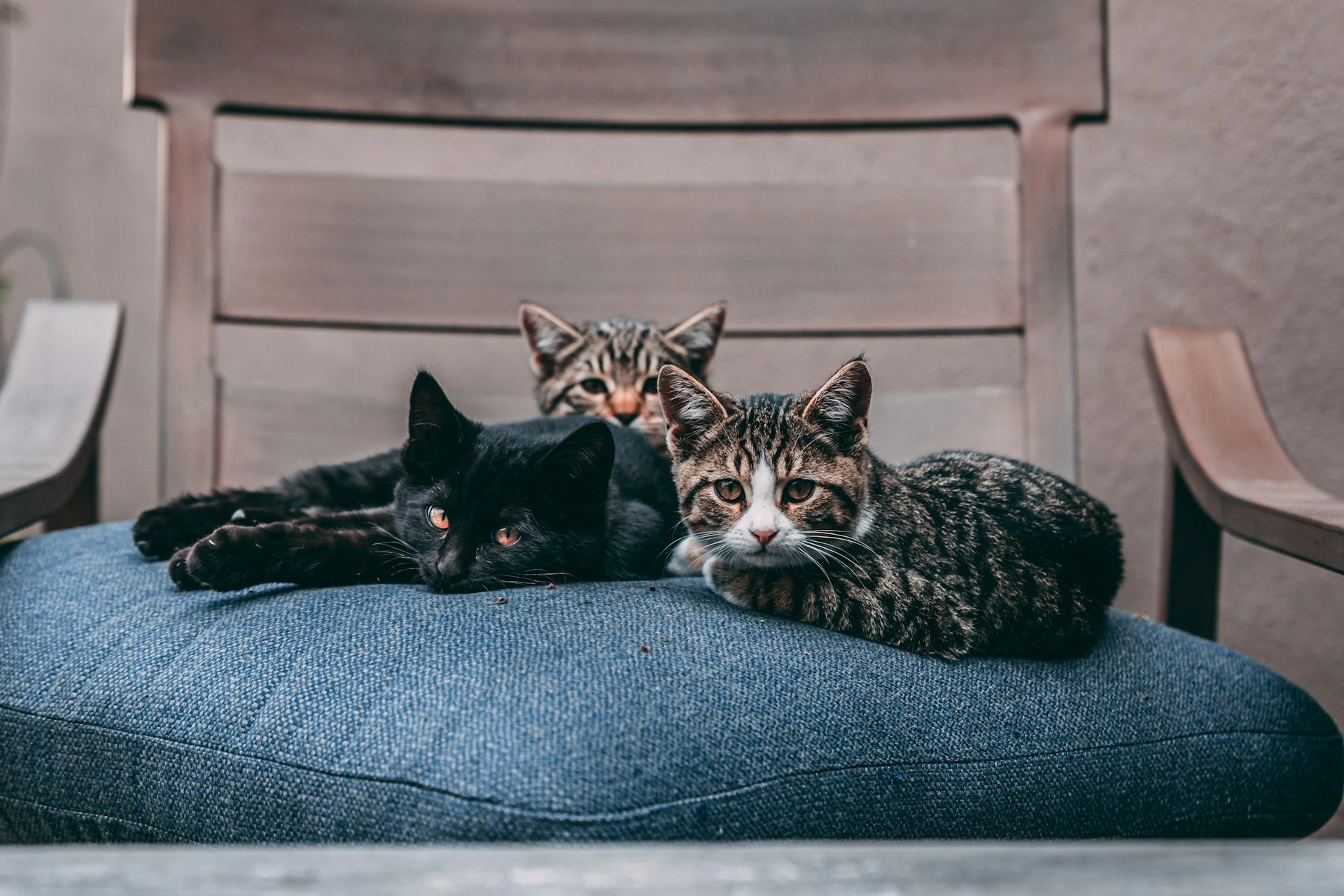
Multi-cat households benefit immensely from structure. When each cat knows when to expect meals, playtime, and resting hours, competition decreases and relationships become smoother.
Offer multiple resources. Cats shouldn’t have to fight over food bowls, water stations, or litter boxes. Predictable routines prevent tension and help each feline companion feel secure in their environment. Clear boundaries and designated spaces support harmonious coexistence.
Recognizing each cat’s personality also matters. Social butterflies may enjoy interactive play sessions, while quieter cats prefer independent routines. Respecting these differences helps maintain balance.
Tips for Seasonal Adjustments For Mt. Pocono Cats
Seasonal changes influence daily rhythms for both you and your cat. Winter in Mt. Pocono means shorter daylight hours and colder temperatures, which may shift your feline pal’s activity patterns. Providing warm, sunlit perches supports comfort during cold months. Of course, Fluffy will also appreciate lots of cozy napping spots.
Warmer seasons encourage increased window watching, heightened curiosity, and longer periods of alertness. Adjusting enrichment routines helps keep your kitty stimulated year-round.
Our veterinarians can help you tailor routines that match your home environment, your lifestyle, and your cat’s unique needs.
Fun Facts About Cats and Routine
Cats can remember patterns extremely well, often predicting daily events down to the minute. Many cats naturally align their routines with yours, waking when you wake and relaxing when you unwind. Changes in light—even small ones—can influence their internal clocks. Some cats even create their own household schedules, guiding their humans without realizing it.
You can find more cat care tips at the ASPCA website here. PetSafe also has some great cat care tips here.
FAQ
Why does my cat get upset when routines change?
Cats rely on predictability to feel safe. Abrupt changes can lead to anxiety or confusion.
Can routines help reduce unwanted behaviors?
Yes. Consistent schedules often improve litter box habits, reduce night-time activity, and lessen stress-related behaviors.
How do I introduce new routines to my cat?
Make changes gradually. Offer reassurance and maintain familiar elements during transitions.
Do indoor cats still need structured playtime?
Absolutely. Play promotes physical health and mental stimulation, especially for indoor-only cats.
Visit Our Mt. Pocono, PA Veterinary Clinic for Routine and Behavior Guidance
If you’re looking for helpful cat routine tips, or if you’ve been searching for a “vet near me” for support with feline behavior stability, our Mt. Pocono, PA veterinarians at Animal Hospital of Mt. Pocono are here to help. As your trusted veterinary clinic, we can guide you through building a structured cat environment, creating predictable rhythms, and offering personalized Mt. Pocono cat tips to support your feline friend’s comfort and confidence. Call us today to schedule a visit and build a routine your cat will love.
This blog is intended for informational purposes only. Always consult your veterinarian for personalized advice, diagnosis, or treatment recommendations for your feline friend.
Want to learn more about our Pocono, PA pet clinic and the services we offer? You can stop by our main Services page here for an overview. You can also check out our Boarding & Grooming info page here, or our Critical & Urgent Care options here.