

Have you ever watched your furry friend lift their paws one by one during a chilly walk or slip a little on an icy patch in the yard? Winter may look peaceful, but for pets it brings some challenges. At Animal Hospital of Mt. Pocono, your Mt. Pocono, PA pet clinic, our veterinarians are happy to offer tips on winter pet safety so their four-legged buddies stay comfortable and protected through every cold snap.
Winter’s frigid temperatures, icy sidewalks, and harsh road salts mean a little extra planning and care for pet owners. In this blog, we’ll explore common cold weather risks for pets, share practical ways to support ice-melt safety for pets, and offer helpful insights for Mt. Pocono winter care so you can enjoy the season confidently with your furry pal.
How Cold Weather Affects Dogs and Cats
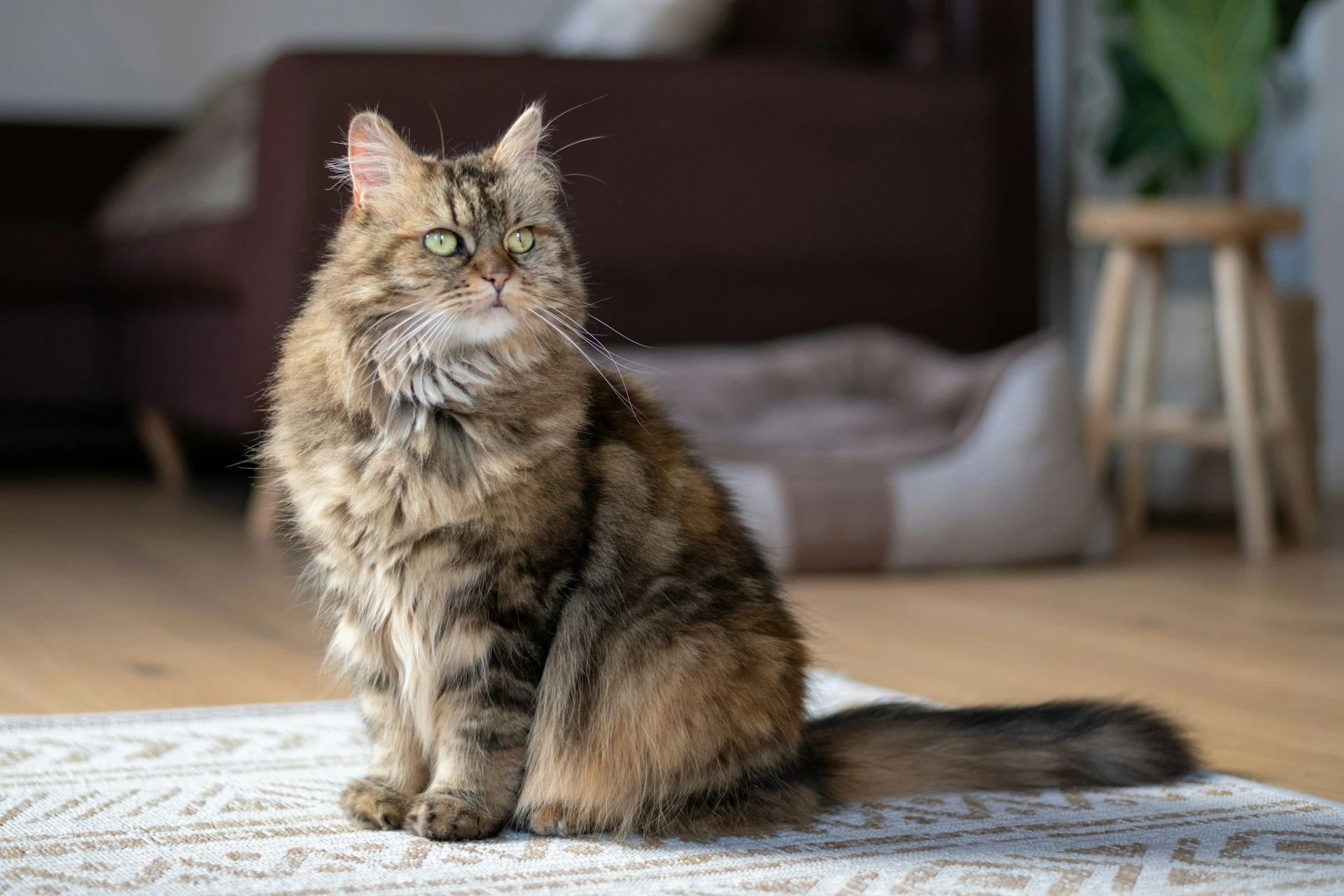
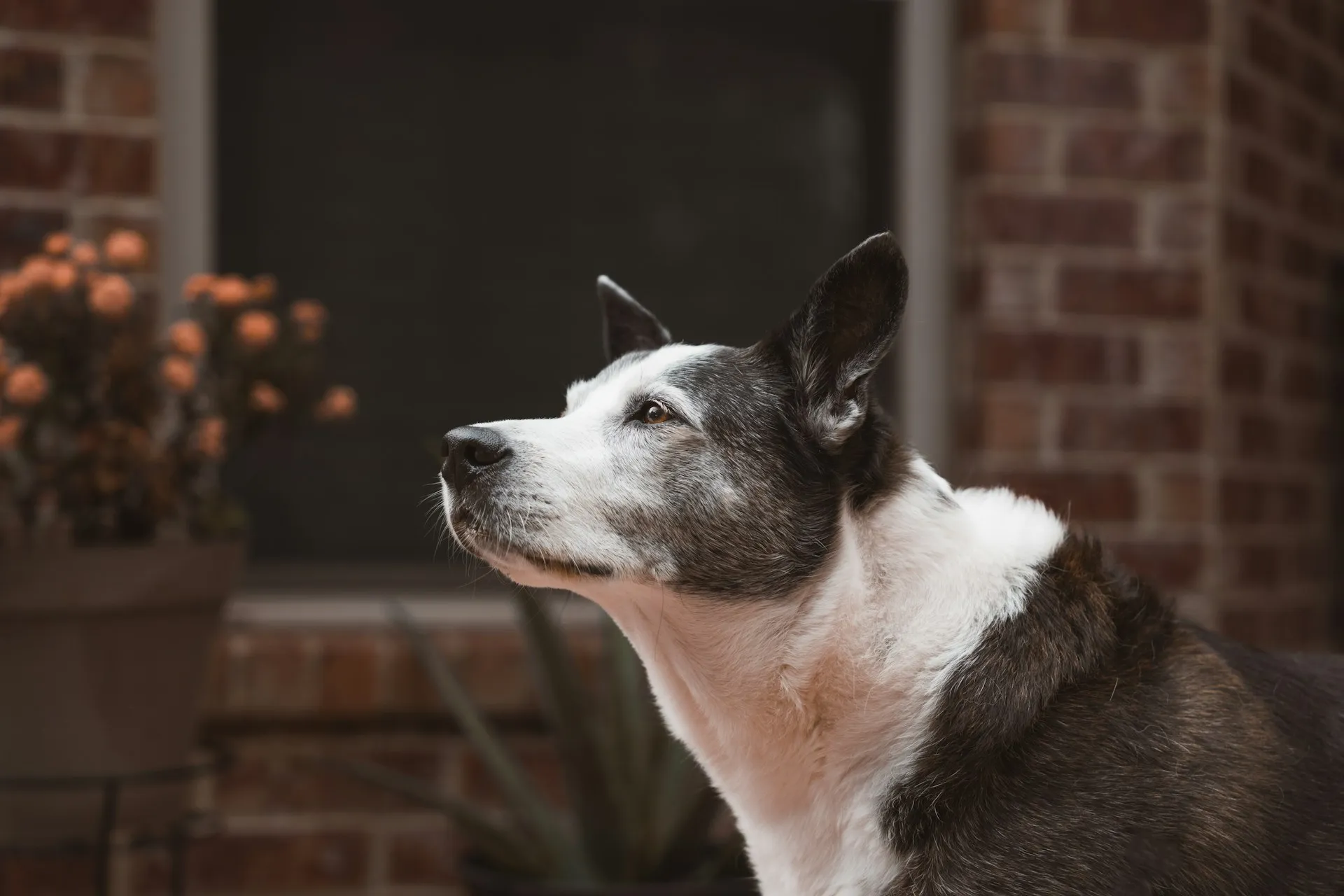
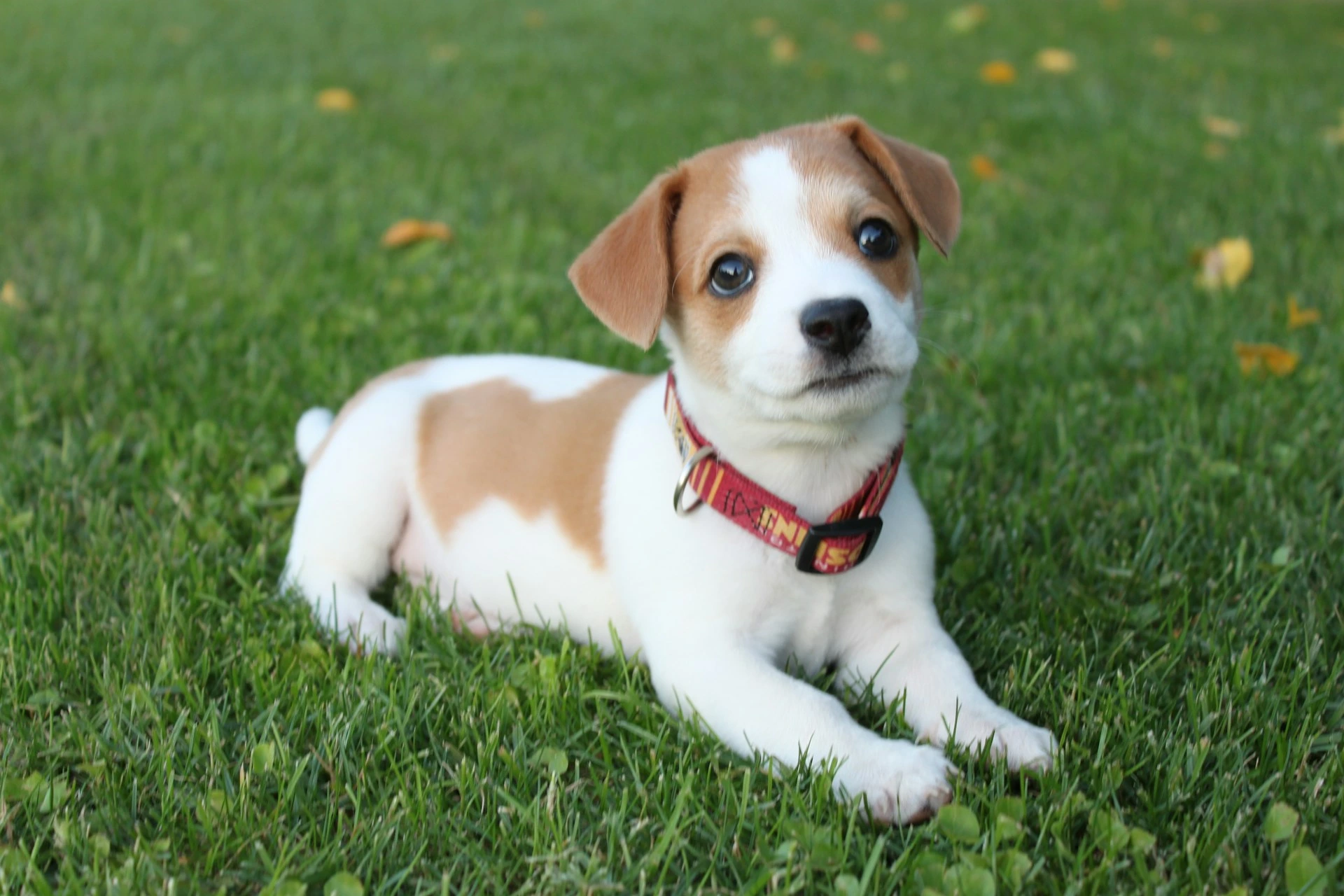
Pets experience winter differently, depending on breed, coat type, age, and health. Huskies, for example, often absolutely love to romp and play in the snow. A Chihuahua, on the other hand, may shiver miserably as soon as temps hit the 40’s. While some dogs tolerate the cold better than others, seniors, short-haired breeds, and small dogs become uncomfortable quickly. Cats, even those with thick coats, can also feel the effects of chilly air and icy surfaces.
Cold temperatures cause muscles to tense and paws to stiffen, making movement more challenging. Your canine companion may hesitate before stepping outside, while your feline friend might seek warmer sleeping spots on cold days. Paying attention to these subtle cues helps you adjust routines to match your pet’s comfort level.
Recognizing Common Winter Risks for Pets
Winter introduces a variety of hazards. Understanding the risks helps you prepare and protect your furry friend from seasonal discomfort.
Icy surfaces are among the most common hazards. Slipping on ice can cause strains or minor injuries. Salted sidewalks are another concern; while helpful for traction, road salts can irritate paw pads, causing redness, dryness, or cracking.
Cold air may also aggravate respiratory issues in sensitive pets. Longer exposure to freezing temperatures leads to discomfort, increased stiffness, or—in extreme cases—hypothermia. Recognizing your pet’s limits helps you create safer routines during the coldest months.
Protecting Paws from Winter Conditions
Paw care plays a major role in winter pet safety. Snow, ice, and salt can gather between the toes, leading to irritation. Before heading outdoors, check your pup’s paws for long fur between pads. Trimming excess fur reduces ice buildup and helps your canine buddy walk more comfortably.
After walks, take a moment to wipe your pet’s paws down with a warm, damp cloth. This removes salt, ice melt, and debris that may irritate the skin. For cats who enjoy supervised outdoor time, a gentle paw wipe serves the same purpose.
If your furry friend has particularly sensitive paws, consider using a pet-safe balm or discussing additional protection options with your veterinary clinic. These small steps help reduce dryness and prevent irritation throughout winter.
Ice-Melt Safety for Pets
Not all ice-melt products are safe for paws. Many common formulas contain chemicals that irritate skin or cause stomach upset if your pet licks their feet after a walk. When possible, choose pet-safe walkways or areas treated with mild products.
If you’re unsure whether your neighborhood uses pet-friendly ice melt, your best strategy is to stay proactive—wipe paws after every walk and monitor for redness or discomfort. Even short outings can expose pets to irritants, especially during active snow removal periods.
Our veterinarians at Animal Hospital of Mt. Pocono can help you recognize signs of irritation and recommend safe paw care strategies based on your pet’s sensitivity.
Managing Outdoor Time During Cold Months
Cold temperatures require adjustments to daily routines. Your furry pal may still enjoy outdoor time, but shorter, more frequent outings reduce the risk of overexposure. Early mornings and late evenings tend to be colder, so choosing mid-day walks often helps minimize discomfort.
When walking your canine companion, avoid icy patches when possible and stick to cleared pathways. If your pet becomes hesitant or tries to lift multiple paws, it’s time to head inside. Pets communicate discomfort through subtle behaviors, and paying attention helps you respond with care.
Supporting Indoor Comfort and Safety
Indoor environments can become dry during winter due to heating systems. This dryness may affect your pet’s skin, nose, and paw pads. Consider offering a humidifier in commonly used rooms to help maintain balance. Provide warm, cozy resting spaces away from drafts so your furry friend feels secure.
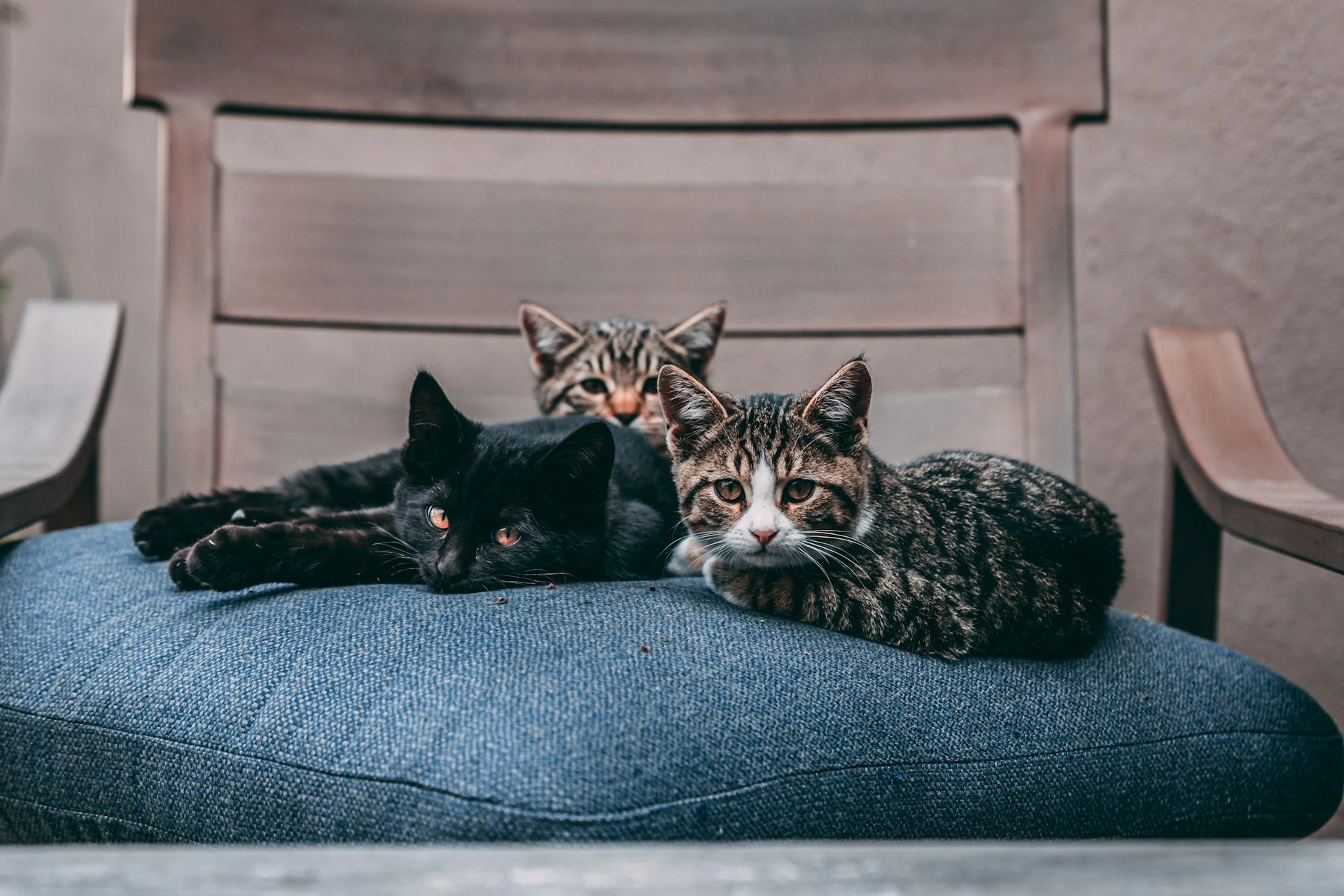
Cats often seek elevated, warm areas such as window perches, heated beds, or sunny spots. Dogs appreciate blankets, soft bedding, and quiet corners free from cold air leaks. Observing your pet’s preferred resting places helps you make thoughtful adjustments that support comfort.
Your Mt. Pocono winter care routine may also include extra grooming to reduce dry skin or static in the coat. Regular brushing helps distribute natural oils and supports overall skin health.
Winter Nutrition and Hydration Habits
Hydration is just as important in winter as in summer. Cold air can dry the throat and skin, so encourage your furry friend to drink regularly. Keep water bowls clean and check frequently to ensure outdoor bowls don’t freeze.
Some pets benefit from slight dietary adjustments during cold months, especially if activity levels change. Always discuss nutritional changes with your veterinarians at Animal Hospital of Mt. Pocono so we can recommend balanced, safe modifications for your pet’s needs.
When to Seek Veterinary Care in Winter
If your pet shows signs of discomfort, limping, persistent licking of the paws, or sudden sensitivity to cold, it’s time to schedule a visit. Winter can exacerbate underlying health conditions, especially in senior pets or those with joint issues.
Signs that may require veterinary attention include excessive shivering, lethargy, difficulty walking, cracked paw pads, or changes in breathing. Quick care helps prevent minor issues from becoming more serious.
The ASPCA has a blog on winter pet care here. The Ontario SPCA and Humane Society has a helpful article on winter care for dogs here. The Animal Medical Center of Ontario also has a good piece on this here.
FAQ
How cold is too cold for pets?
Temperatures below freezing can be uncomfortable for many pets, especially small breeds, seniors, and short-haired dogs.
How often should I check my pet’s paws in winter?
Daily checks and post-walk inspections help you catch irritation early.
Is it safe to walk on salted sidewalks?
Yes, but wipe paws after the walk to reduce irritation from ice-melt products.
Do indoor cats need winter care?
Absolutely. Dry air can affect their skin, and warm resting areas help maintain comfort.
Visit Our Mt. Pocono, PA Veterinary Clinic for Winter Wellness Support
If you need help improving winter pet safety, or if you’ve been searching for a “vet near me” to support your furry friend’s comfort this season, our Mt. Pocono, PA veterinarians at Animal Hospital of Mt. Pocono are here to assist. As your trusted veterinary clinic, we can guide you through cold weather risks for pets, offer advice on ice-melt safety for pets, and personalize Mt. Pocono winter care to keep your four-legged buddy warm, safe, and happy all winter long. Call us today to schedule a seasonal wellness visit.
This blog is intended for informational purposes only. Always consult your veterinarian for personalized advice, diagnosis, or treatment recommendations for your furry friend.
Want to learn more about our Pocono, PA pet clinic and the services we offer? You can stop by our main Services page here for an overview. You can also check out our Boarding & Grooming info page here, or our Critical & Urgent Care options here.