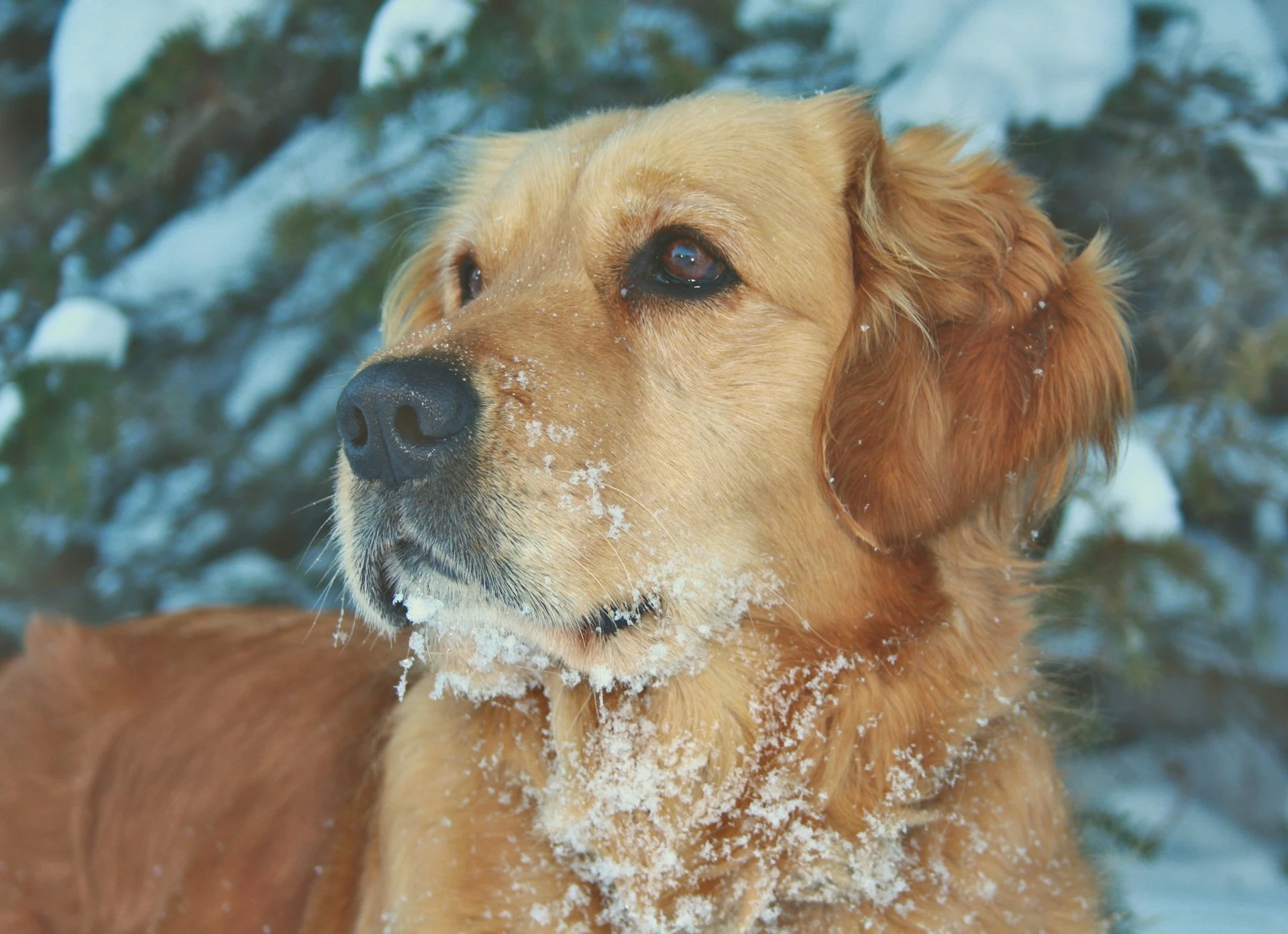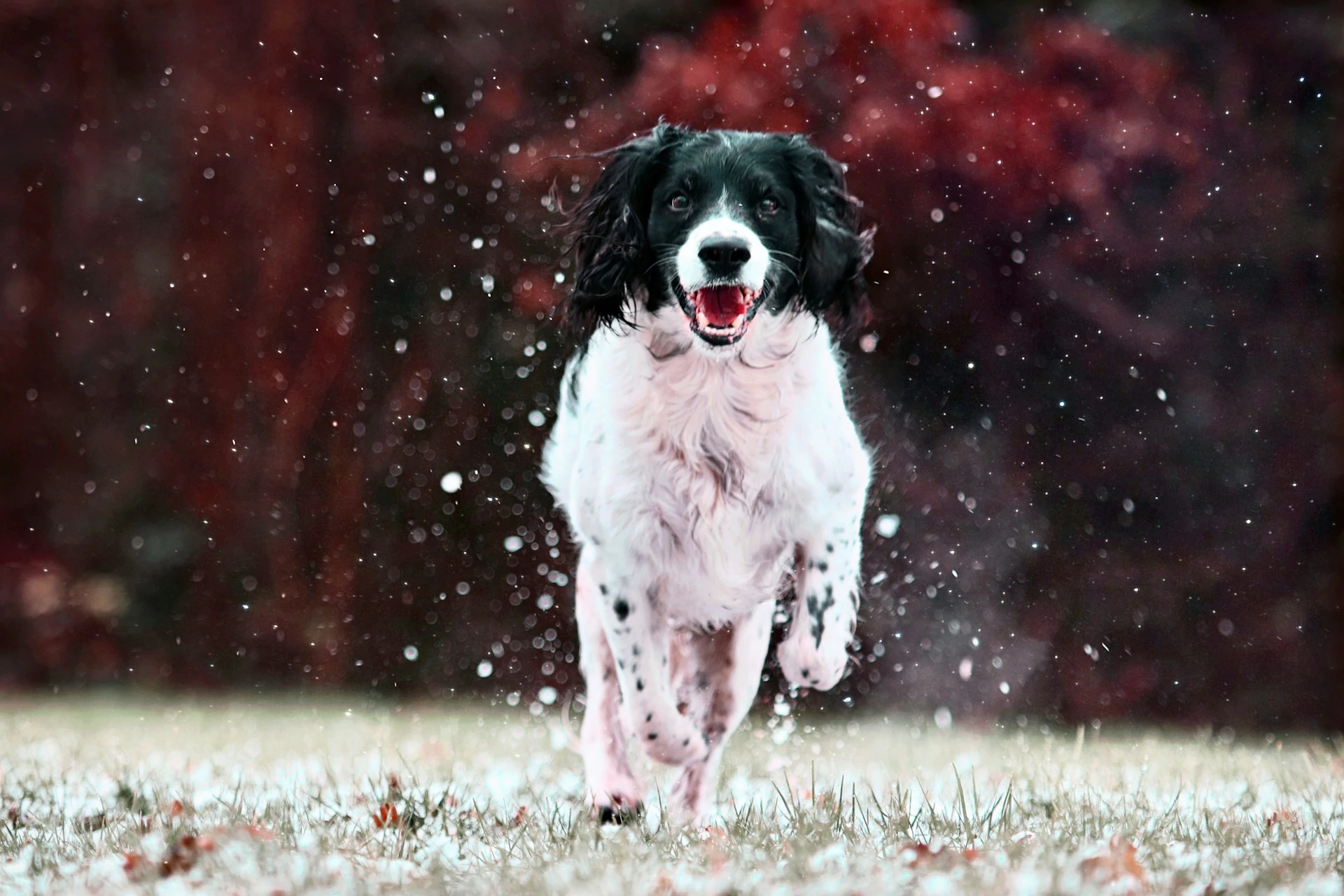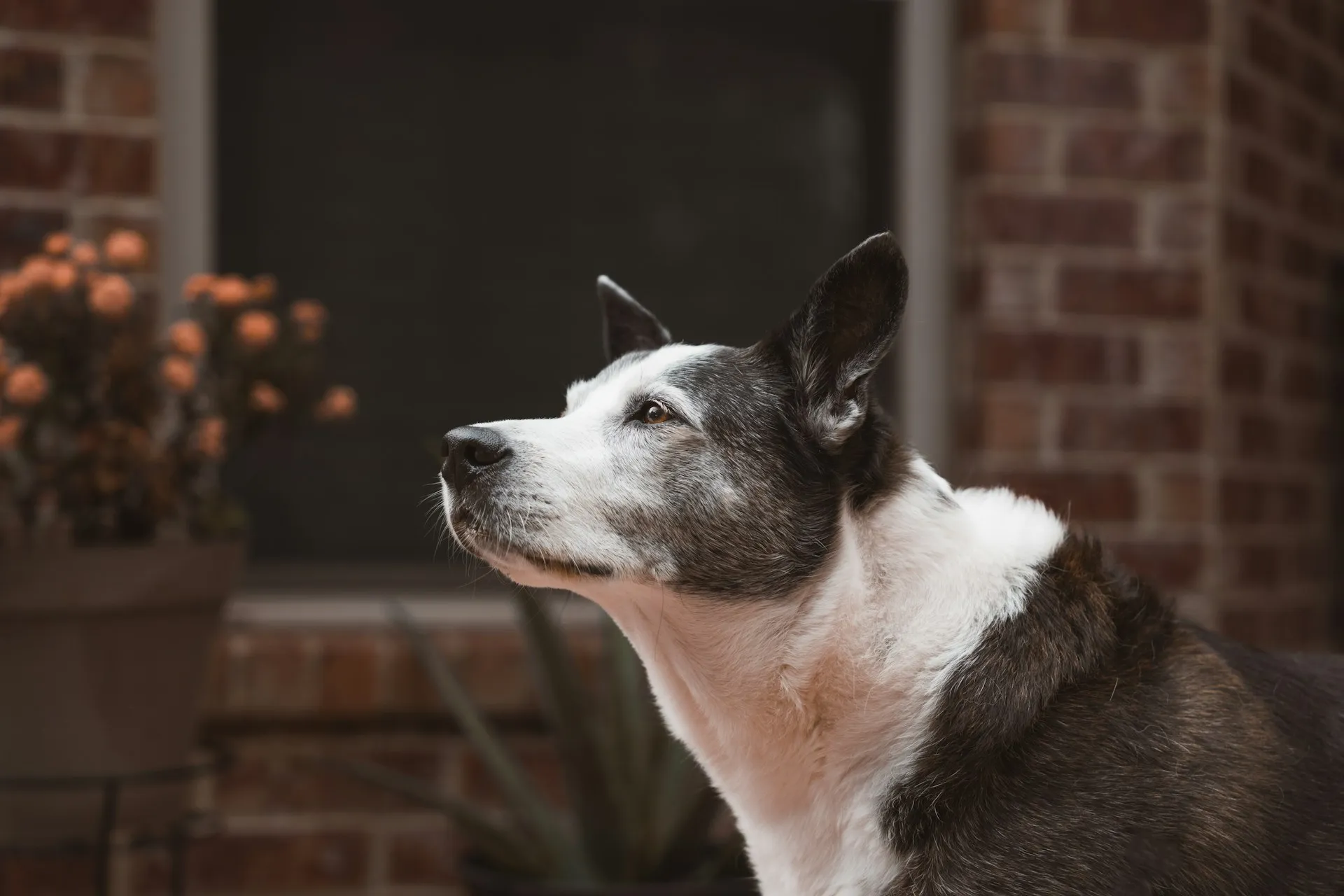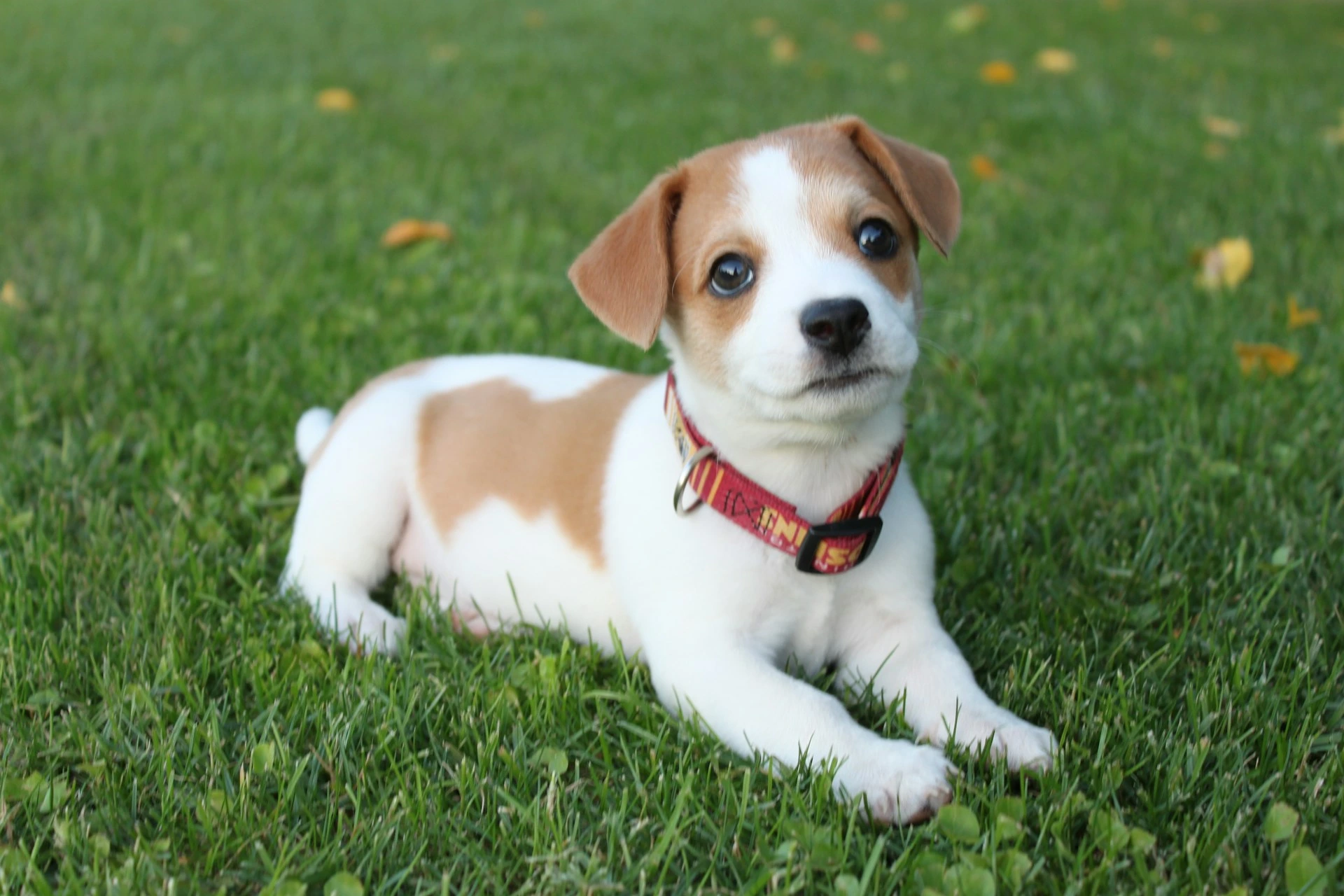

Have you ever wished your canine buddy could simply tell you what they’re thinking? While dogs don’t use words, they communicate constantly through posture, movement, and subtle cues. At Animal Hospital of Mt. Pocono, your Mt. Pocono, PA pet clinic, we love helping families understand dog body language, so they can build healthier, more trusting relationships with their four-legged companions.
Whether your pup perks their ears, wags their tail wildly, or stiffens their posture around new dogs, these behaviors all have meaning. In this blog, we’ll explore common communication signals, share practical canine communication tips, and discuss how reading dog posture helps prevent misunderstandings and improves Mt. Pocono dog behavior in everyday situations.
Why Understanding Dog Body Language Matters
Communication builds trust. When you understand what your pup is expressing, you respond more effectively and create an environment where your dog feels seen and supported. Dogs communicate their needs, emotions, and comfort levels through body language long before making sounds.
Recognizing these cues helps you respond calmly, avoid potential conflicts with unfamiliar dogs, and strengthen your bond with your furry friend. Many behavior concerns become easier to manage once you understand what your dog is trying to say.
Our veterinarians at Animal Hospital of Mt. Pocono frequently help families decode these signals during wellness visits and behavior consultations.
Reading Dog Posture: The Foundation of Communication
Posture is one of the clearest indicators of your pup’s emotional state. A relaxed dog will stand evenly on all four paws, with soft muscles and a loose, happy tail. Their eyes may appear almond-shaped, and their body often leans slightly toward people or familiar animals.
A stiff posture signals tension. Your canine companion may freeze momentarily, lift their head higher, or tighten their stance. These shifts may indicate uncertainty, fear, or alertness. Recognizing these early cues helps prevent escalation.
A lowered posture, especially with tucked tail or bent legs, usually reflects caution or anxiety. Your dog may be seeking reassurance or space. Understanding these signals helps you respond with calm support, giving your furry pal time to regain confidence.
What Your Dog’s Tail Is Telling You
Many pet parents assume tail wagging always means happiness, but tail language is more complex. The speed, height, and movement pattern all reveal clues about your dog’s feelings.
A loose, sweeping wag usually reflects friendliness or excitement. A high, slow wag may signal alert curiosity, while a stiff, upright tail often expresses heightened focus or uncertainty. A low tail or full tuck behind the legs indicates fear or discomfort.
When interpreting tail movements, always consider the whole body. Pairing tail cues with posture and ear movement gives you clearer insight into your pup’s emotional state.
Decoding Ear Movements in Dogs
A dog’s ears act like emotional antennas. Perked ears often show curiosity or attention, especially when paired with forward posture. When your pup tilts their ears backward slightly, it may indicate friendliness or a desire for gentle interaction.
Pinned-back ears can signal fear, anxiety, or submission. Some dogs flatten their ears during exciting or affectionate moments as well, so always observe context.
Dogs with floppy ears may be harder to read, but you can still interpret subtle shifts at the base of the ear. Gently watching for muscle movement helps you understand even the most subtle cues.
Facial Expressions and Eye Signals
Dogs communicate through their eyes just as much as through posture and movement. Soft eyes with relaxed lids usually signal comfort and affection. Wide eyes or a whale-eye appearance—when you can see the whites of your dog’s eyes—suggests stress or uncertainty. Your canine buddy may be warning you that they feel overwhelmed or need space. In some cases, this is a precursor to aggression, so pay close attention.
Subtle mouth movements also reveal emotional states. A loose mouth with gentle panting typically signals happiness. A closed mouth with tight lips may indicate tension. Understanding these quiet signals helps you support your dog through unfamiliar or stressful situations.
How Dogs Use Body Language During Greetings
Dog greetings rely heavily on body language. A friendly greeting often includes loose posture, soft eyes, and gentle tail wagging.
If your canine pal stiffens, slows their approach, or avoids eye contact, they may be unsure or uncomfortable. In these situations, offering space and allowing the dog to choose the pace of interaction helps prevent misunderstandings.
Recognizing these cues is especially important during off-leash interactions on trails or in local Mt. Pocono parks. Understanding your dog’s signals protects both your pup and others from unnecessary stress.
Canine Communication Tips for Everyday Life
Understanding dog body language enhances daily routines, from walks to playtime to handling new environments. For example, if your pup begins yawning, licking their lips, or turning their head away during an interaction, these may be signs of stress or overstimulation.
During play, a play bow,when Fido’s front legs are splayed in front of him, but his hindquarters are raised, signals joyful energy. However, if play becomes stiff, intense, or one-sided, it may be time to redirect or take a break.
Your veterinarians at Animal Hospital of Mt. Pocono can also guide you through common concerns such as barking patterns, interaction with children, or managing nervous behaviors in new environments.
Supporting Positive Mt. Pocono Dog Behavior
Enhancing communication helps build confidence. When dogs trust you to understand their cues, they feel safer in unfamiliar situations. This support encourages calm behavior in busy environments such as walking trails, bustling sidewalks, or veterinary clinic visits.
Training strategies become more effective as well. When you recognize early signs of stress or hesitation, you can adjust your approach before your pup becomes overwhelmed. Positive training techniques paired with strong communication understanding create a cooperative and peaceful bond.
Fun Facts About Dog Communication
Dogs developed many social signals through evolution alongside humans. They excel at reading human body language and often mirror our emotions. Tail wagging direction even carries meaning—research suggests that wagging slightly to the right reflects positive interest, while wagging left may indicate caution. Dogs also use micro-expressions, just like people, to communicate subtle emotions.
PetMD has an article about Fido’s body language here. Click here to read the AKC article about dogs’ body language.
FAQ
Why does my dog show the whites of their eyes?
This “whale-eye” signal may indicate stress or uncertainty. Giving your dog space helps them feel safer.
Is a wagging tail always friendly?
Not always. Tail position, stiffness, and movement pattern all matter when interpreting wagging.
Why does my dog freeze during interactions?
Freezing often signals tension or caution. Your dog may need reassurance or distance.
Can older dogs improve their communication skills?
Yes. Dogs of all ages can learn to express themselves more clearly and respond to cues with consistent support.
Visit Our Mt. Pocono, PA Veterinary Clinic for Behavior Support
If you’d like help interpreting dog body language, or if you’ve been searching for a “vet near me” for guidance on reading dog posture, our Mt. Pocono, PA veterinarians at Animal Hospital of Mt. Pocono are ready to help. As your trusted veterinary clinic, we can offer personalized canine communication tips and provide support for all aspects of Mt. Pocono dog behavior. Call us today to schedule a behavior consultation and strengthen your bond with your four-legged buddy.
This blog is intended for informational purposes only. Always consult your veterinarian for personalized advice, diagnosis, or treatment recommendations for your furry friend.
Want to learn more about our Pocono, PA pet clinic and the services we offer? You can stop by our main Services page here for an overview. You can also check out our Boarding & Grooming info page here, or our Critical & Urgent Care options here.