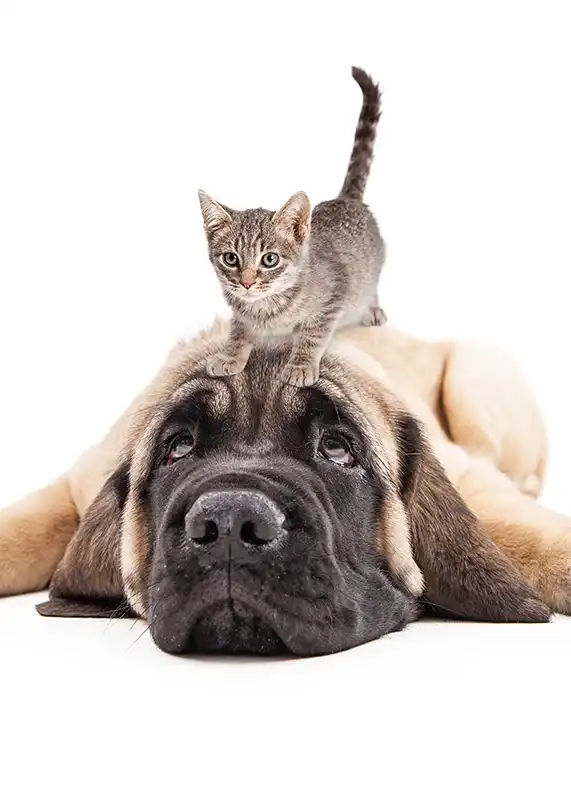

The AKC has recently welcomed a super lovable new pup into its ranks. The Lancashire Heeler joined the club’s ranks in 2024, bounding into the Herding Group. However, the breed has been around for much longer than that. In fact, they were welcomed into the UK’s Kennel Club back in 1981. Read on as a local vet offers some insight into this adorable and plucky little pup.
Lancashire Heeler Breed Basics
These guys are fairly small dogs, weighing between eight and eighteen pounds, on average. They usually grow to be between ten and twelve inches tall. As far as life expectancy goes, they are fairly long lived, and can make it to 15 years or even longer.
What Is The Reason For The Name Lancashire Heeler?
It’s often interesting to find out about how certain pups got their names. For instance, the Schnauzer’s moniker is closely related to his facial fur, which looks a lot like a mustache. The word schnauzer means mustache in German. The Jack Russell terrier was named after a person, while the Cairn terrier got his name because he excelled at hunting in cairns.
Back to the Lancashire Heeler. The name comes from both Fido’s birthplace and his job. He was originally tasked with being a cattle herder, who are also referred to as heelers because of their habit of nipping at the heels (or hooves) of the cattle they are moving. He hunted rats as well. The pups were also very popular in their home territory of West Lancashire, England. Hence the name.
What Are Lancashire Heelers Like?
There are a few things that stand out about these charming little pups. The first is that they are (likely) related to Corgis, and look somewhat similar. Like his cousin, Fido is quite short and sturdy … not to mention really, really cute. As far as their coats go, they tend to be black or liver with tan markings.
The second thing you would want to know about the Lancashire Heeler? They’re quite active and energetic. While many small dogs are lap dogs, these guys are quite vigorous.
As far as personality goes, Fido is friendly, affectionate, inquisitive, and eager to please. Like many other herding dogs, Lancashire Heelers are very intelligent and tend to be highly trainable. As one may expect, they are very fond of treats, belly rubs, and walks.
It’s worth noting that proper socialization is absolutely crucial here. Fido may also be a rather heavy chewer, so be prepared to provide lots of safe, suitable toys for him to gnaw on.
What Is Unique About Lancashire Heelers?
Every breed has a few distinctive traits or features. In this case, it’s Fido’s grin. The Lancashire Heeler has a tendency to smile when they’re happy, just like humans do. This is known as the Lancashire smile.
Another thing that is fairly distinctive about them is the fact that although they were primarily herding dogs, they were also used to hunt rats. They have some of the same traits as terriers do.
Do Lancashire Heelers Have Health Issues?
For the most part, these pups are quite sturdy. It’s not uncommon for them to live into their teens. They were discovered to be at risk developing an eye condition called primary lens luxation. However, responsible breeders stepped up and worked hard to eliminate this trait. However, it would be best to get a potential puppy tested.
The breed standard also recommends the following tests:
- Collie Eye Anomaly (CEA) …
- Hereditary Cataract (HC) …
- Persistant Pupillary Membrane (PPM) …
- Patella Luxation
Ask your vet for more information.
What Sort Of Grooming Do Lancashire Heelers need?
There is definitely some good news here for potential adopters. Fido’s coat is short, thick, and pretty waterproof, so he doesn’t need too much grooming. Regular brushings and the occasional bath will keep your cute pet looking and feeling great.
Of course, like any other pooch, he will need regular nail trims. You’ll also need to keep his ears clean, as otherwise he may get wax buildup. Ask your vet for specific advice.
What Is The History Of The Lancashire Heeler?
We mentioned above that the breed is thought to have originated from pooches that hitched a ride over to the UK with the Vikings. Fido quickly went to work as a farm dog. There isn’t exactly a clear pedigree we can follow a paper trail to back to those days. There’s actually quite a bit of speculation about the breed’s origins.
Similar dogs appear in art and runic symbols that date as far back as the 9th century. The pups are shown to have dark fur, as do many other Nordic pooches. They are clearly quite small in stature. Fido’s family tree may also include the Olde English Black and Tan Terrier, a popular farm dog and ratter who is also an ancestor of the Welsh, Manchester, and Lakeland Terriers.
Rumor has it that the Lancashire Heeler originated at a meat market in Northern Wales when different Welsh Corgis were bred, and that the Manchester Terrier was added to the bloodline later. That would explain where Fido got his looks, including his black and tan coat, from. However, without definitive records, it’s hard to say for certain.
Things do get clearer around the 1960’s, when a lady named Gwen Mackintosh started breeding the pups. In 1978, she formed the Lancashire Heeler Club, which then settled on breed standards. They were accepted into The Kennel Club. In 2006, they were given the status of vulnerable native breed, which means that there were less than 300 of the pups officially registered. By 2007, there were only 146.
Are Lancashire Heelers Aggressive?
Lancashire Heelers tend to be friendly and very affectionate with their humans. They may be aloof to strangers at first, but typically warm up after some ear scritches and friendly conversation. However, they may be protective, and may sometimes be less than welcoming to strangers.
Do Lancashire Heelers Bark A Lot?
Fido isn’t exactly tongue-tied. However, these guys usually don’t bark constantly unlessthey are either bored or perhaps suffering from separation anxiety.
What Sort Of Exercise Can Lancashire Heelers Do?
These guys are quite active for little dogs. They can definitely relax, but they tend to be quite playful and curious by nature. Fido enjoys walks, and is often thrilled to indulge in some playtime in a fenced yard. Your canine buddy may also have fun with indoor games like Hide And Seek, and often does well with learning tricks.
If you’re interested in showing or competing, Fido may do well in a variety of areas, including obedience, rally obedience, agility, showmanship, flyball, and herding. That said, it’s important to talk to your vet about what is and is not suitable for your furry friend.
In Conclusion: Friendly, lovable, and very cute, the Lancashire Heeler is a smaller dog that resembles the Welsh Corgi. These pups are fairly rare, but make wonderful pets and companions. They were officially admitted to the AKC in 2024.
Make An Appointment At Our Pet Hospital
Do you have questions or concerns about your pet’s health or care? Is your canine pal due for an appointment? Contact us, your local animal hospital, any day. We are dedicated to offering both great care and excellent customer service.