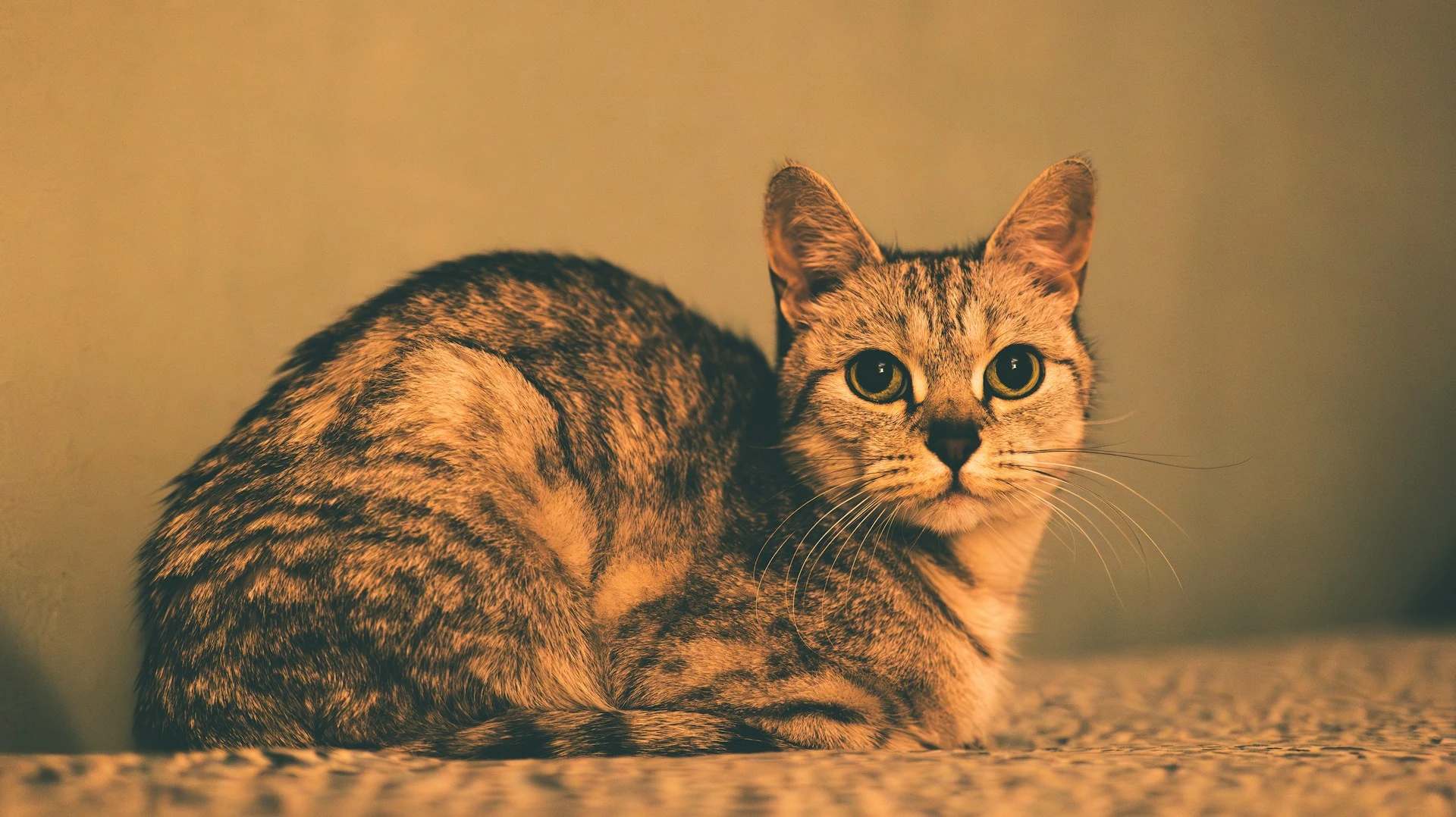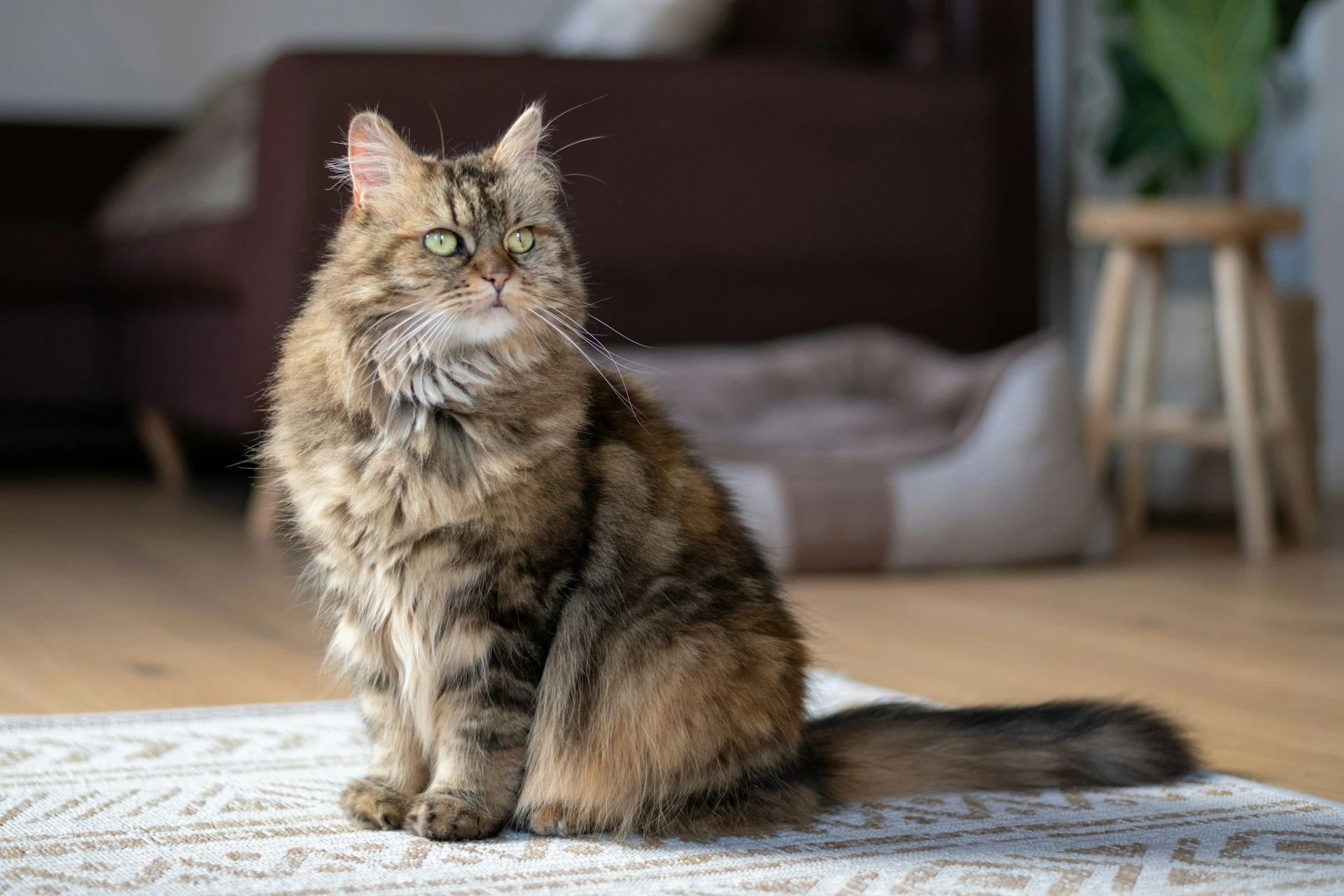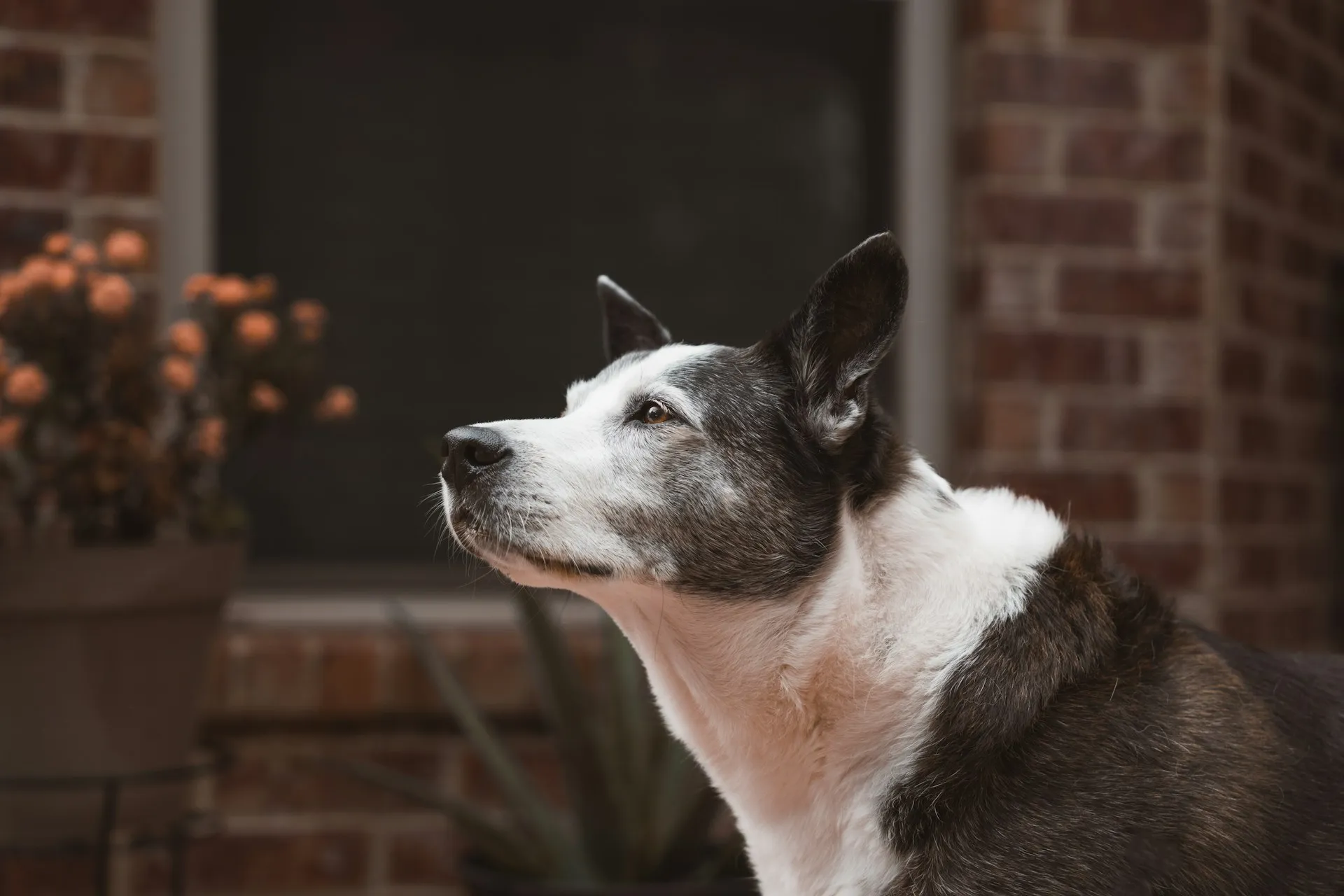



Does your furry friend scratch, lick, or sneeze more than usual as soon as spring rolls in? Seasonal changes can bring beautiful weather, but they also introduce allergens that bother sensitive pets. At Animal Hospital of Mt. Pocono, your Mt. Pocono, PA pet clinic, our veterinarians often help families navigate seasonal allergies in pets, especially during the pollen-heavy months that affect so many dogs and cats.
Here in Maryland, humidity, coastal breezes, and dense vegetation can make allergy symptoms even more noticeable. Whether your four-legged buddy spends time outdoors or prefers a sunny windowsill, understanding how allergy triggers work will help you support your pet with care and comfort. In this blog, you’ll learn how to recognize itchy pets in spring, explore helpful allergy relief for dogs, and review strategies for allergy relief for cats so your companions can feel their best.
How Seasonal Allergies Affect Dogs and Cats
Seasonal allergies happen when your pet’s immune system reacts strongly to environmental allergens. Pollen, grass, mold spores, and even airborne plant debris can irritate sensitive pets.
Your canine buddy may scratch excessively, lick their paws repeatedly, or rub their face on furniture. Your feline friend may overgroom, sneeze, or experience ear or skin irritation. Because cats tend to hide discomfort, you may notice smaller shifts, like subtle changes in grooming habits or sleep patterns.
Our veterinarians at Animal Hospital of Mt. Pocono can help determine whether symptoms stem from seasonal triggers or an underlying health issue. Early recognition helps prevent discomfort from escalating during peak allergy months.
Recognizing the Signs of Itchy Pets in Spring
Spring is one of the most challenging times for pets with environmental sensitivities. Trees release pollen early in the season, followed by blooming flowers and abundant grasses. As the weather warms, allergens circulate freely outdoors. They can easily enter the home through open windows or on your clothes.
Common allergy signs include scratching, licking paws, rubbing along carpeted areas, shaking the head, sneezing, or watery eyes. Flatulence, snoring, burping, vomiting, and diarrhea can also be symptoms. Some pets develop red skin or small patches of irritation. If your four-legged buddy seems more uncomfortable than usual during specific months, seasonal allergies may be the cause.
Your veterinarians can help you track patterns and determine whether symptoms appear consistently during certain seasons—a strong indicator of environmental triggers.
Why Dogs Struggle with Seasonal Allergies
Dogs, especially those who spend time exploring yards, parks, and trails, frequently encounter environmental allergens. Grass and pollen cling to fur, paws, and skin, making exposure nearly unavoidable during peak seasons.
Many dogs react by chewing their feet, focusing on areas such as the belly or underarms, or rubbing their heads on soft surfaces. These behaviors signal itchiness, not misbehavior.
Some breeds are more prone to seasonal allergies, and dogs who already experience skin sensitivity often struggle more. If your canine companion becomes restless, itchy, or develops irritated skin each spring, allergy relief for dogs can make a meaningful difference in comfort.
How Seasonal Allergies Affect Cats Differently
Cats may experience allergies more quietly. Your feline pal might overgroom certain areas, leading to thinning hair or skin redness. Sneezing, paw chewing, or watery eyes may also appear but tend to be less dramatic than in dogs.
Indoor cats aren’t immune to allergies. Pollen can enter the home on your clothing, through window screens, or on other pets. Because cats are meticulous groomers, their symptoms often stem from allergens in their fur, which they ingest while grooming.
Supporting allergy relief for cats involves managing environmental triggers and monitoring subtle behavioral changes. Our veterinarians at Animal Hospital of Mt. Pocono can help you identify warning signs and create a plan to protect your feline friend’s well-being.
Simple Ways to Reduce Allergy Symptoms at Home
Making small adjustments around the home can significantly reduce allergen exposure. Washing your pet’s bedding frequently in hot water, using an unscented detergent, can help. We also recommend using air purifiers and keeping windows closed on high-pollen days to help minimize airborne irritants. Brushing your pet regularly also reduces allergens trapped in fur.
For dogs, consider wiping paws after outdoor walks to remove pollen and grass. Kitties may benefit from gentle grooming sessions that help remove allergens they may otherwise ingest. Keeping indoor air clean creates a more comfortable environment for sensitive pets.
If your furry friend struggles at specific times of year, tracking symptoms can help your veterinarian identify patterns and recommend preventive care.
When to Seek Veterinary Care for Seasonal Allergies
If you know or suspect that your furry pal has allergies, it’s time to visit your Mt. Pocono, PA veterinary clinic. Persistent scratching, red skin, hair loss, or repeated sneezing often mean that pets are experiencing significant discomfort. Left untreated, seasonal allergies can lead to secondary concerns, such as skin infections or ear issues.
At Animal Hospital of Mt. Pocono, we’ll examine your pet carefully, discuss symptoms and patterns, and create a tailored plan to support seasonal wellness. Whether your fuzzy friend needs short-term relief or long-term management, our team can help guide you toward effective options.
Supporting Long-Term Comfort for Allergic Pets
Long-term allergy management involves patience and consistency. Some pets benefit from seasonal routines, such as more frequent grooming or strategic outdoor time. Many families find that adjusting walk times to early morning or evening reduces pollen exposure. You may also want to download a pollen-tracking app, and limit your pet’s outdoor time when levels are high.
Environmental enrichment also matters. Indoor activities, play sessions, and puzzle feeders help keep pets engaged while reducing their need to spend long periods outdoors during peak allergy days.
Your veterinarian can also recommend adjustments to diet, lifestyle, and skincare routines that strengthen overall resilience. Combining home strategies with professional guidance creates the best outcome for pets with recurring seasonal sensitivities.
Fun Facts About Pet Allergies
Pets can develop allergies at any age, even if they had no symptoms as puppies or kittens. Spring and fall tend to be the worst seasons due to changing plant cycles. Interestingly, some pets react more strongly after rainy weather, as moisture helps pollen and mold spread more easily.
You can read more about seasonal allergies in pets at the Animal Humane Society website here. Purdue College of Veterinary Medicine has some helpful information about pet allergies on their website here.
FAQ
Are seasonal allergies common in pets?
Yes. Many pets experience spring or fall allergies due to pollen, grasses, or mold spores.
Do indoor pets get seasonal allergies?
They can. Allergens enter the home easily through windows, clothing, and other pets.
Can allergies cause ear problems?
Absolutely. Ear irritation often accompanies environmental allergies, especially in dogs.
How do I know when to call the vet?
If symptoms worsen, persist, or affect daily comfort, schedule a visit with your veterinary clinic.
Visit Our Mt. Pocono, PA Veterinary Clinic for Allergy Relief
If you’re concerned about seasonal allergies in pets, or if you’ve been searching online for a “vet near me” to help your furry friend feel more comfortable, our Mt. Pocono, PA veterinarians at Animal Hospital of Mt. Pocono are ready to support you. As your trusted veterinary clinic, we can offer professional guidance and gentle allergy relief options for pets so your companion can enjoy the changing seasons with confidence. Call us today to schedule a visit and help your pet find lasting relief.
This blog is intended for informational purposes only. Always consult your veterinarian for personalized advice, diagnosis, or treatment recommendations for your furry friend.
Want to learn more about our Pocono, PA pet clinic and the services we offer? You can stop by our main Services page here for an overview. You can also check out our Boarding & Grooming info page here, or our Critical & Urgent Care options here.